How Moles Destroy Lawns, Roots, and Irrigation Systems
People searching for yard mole removal aim to protect their lawns, roots, and irrigation systems, and local service providers can help eliminate moles and prevent further damage.
Homeowners in the area often find themselves dealing with the unexpected damage caused by moles, which can quickly undermine the health and appearance of a lawn. Understanding how moles destroy lawns, roots, and irrigation systems is essential for anyone looking to maintain a lush, functional outdoor space. These small burrowing creatures create underground tunnels that disturb soil structure, damage plant roots, and even compromise irrigation lines, leading to costly repairs and ongoing frustration. If your yard shows signs of unusual mounding or uneven patches, it’s a strong indication that moles might be active beneath the surface, making it important to explore effective removal options.
Fortunately, local contractors who specialize in yard mole removal offer practical solutions to address this common issue. They can assess the extent of the damage, identify mole activity, and implement targeted strategies to restore the health of lawns, protect root systems, and prevent further harm to irrigation setups. For property owners seeking a reliable way to keep their outdoor spaces safe from mole-related destruction, connecting with experienced service providers can make all the difference. Keep reading to learn more about how moles impact your yard and what local experts can do to help safeguard your property.
- Mole Damage to Lawns - homeowners noticing surface mounds and tunnels may need local pros to assess and remove moles that disturb turf health.
- Roots Destroyed by Moles - when underground mole activity threatens plant roots, local contractors can implement control methods to protect landscaping.
- Irrigation System Disruption - signs of broken or misaligned sprinklers caused by mole burrowing can be addressed by experienced service providers.
- Soil and Turf Disturbance - persistent mole activity creates uneven ground and damaged grass, prompting local experts to perform removal and repair.
- Preventative Lawn Care - ongoing mole issues that threaten lawn integrity can be managed through targeted removal services offered by local contractors.
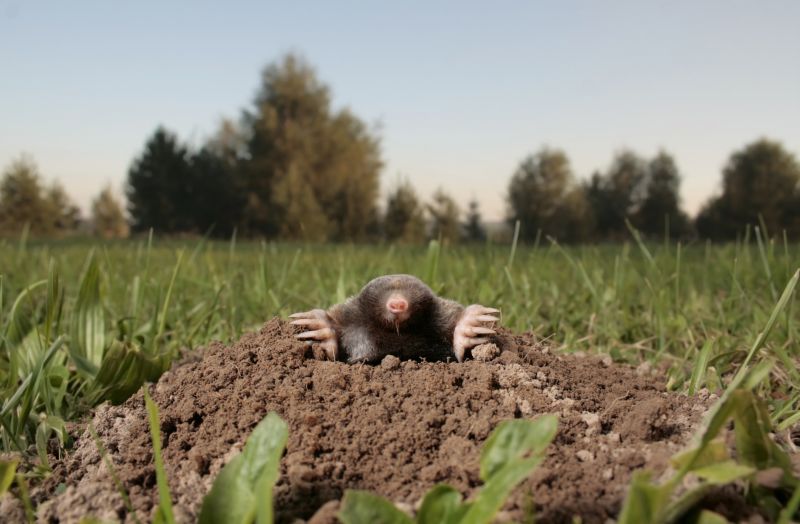
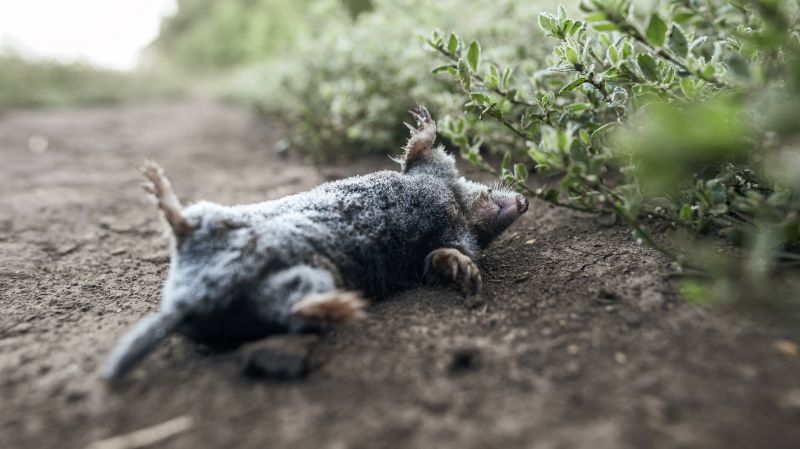
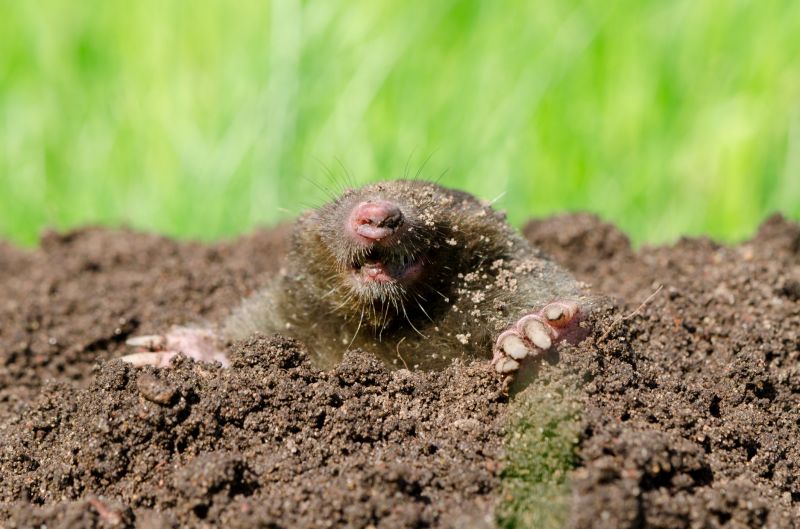
When people search for how moles destroy lawns, roots, and irrigation systems, they are usually trying to understand the damage these pests can cause to their property. Moles are small, burrowing mammals that create extensive underground tunnel systems as they search for food. These tunnels often appear as raised ridges or mounds on the lawn surface, leading homeowners to suspect mole activity. The concern is that these tunnels can compromise the integrity of the soil, disturb plant roots, and damage underground irrigation lines, resulting in uneven lawns, dead patches, and costly repairs.
This topic is closely related to property maintenance and landscaping plans, especially for homeowners who want a lush, healthy yard. Moles can interfere with the growth of grass and plants by uprooting roots and creating unstable soil conditions. For those with irrigation systems, the tunneling activity can lead to punctured or misaligned pipes, causing leaks and water wastage. Understanding how moles damage lawns, roots, and irrigation systems helps homeowners recognize the importance of mole control as part of their overall yard care strategy, especially in areas where mole activity is prevalent.
Certain types of properties are more prone to mole problems, including large residential lawns, golf courses, parks, and commercial landscapes. These properties typically feature expansive grassy areas with soft, loose soil, which makes tunneling easier for moles. Properties with nearby wooded areas or abundant insect populations can also attract moles, as they provide ample food sources. Homeowners with well-maintained lawns and gardens often seek professional mole removal services to prevent ongoing damage and protect the investment in their outdoor spaces.
Local service providers specializing in yard mole removal play a key role in addressing these issues. They understand the behavior of moles and the signs of their activity, such as surface tunnels and molehills. These professionals can evaluate the extent of damage to lawns, roots, and irrigation systems, then implement targeted removal and control methods. Working with experienced local contractors helps homeowners effectively manage mole problems, restore the health of their yard, and prevent further underground damage that could lead to costly repairs or ongoing maintenance challenges.
Landscaping and Garden Design - Professionals in this field often address issues caused by moles, such as damaged roots and uneven terrain, to restore healthy lawns and gardens.
Irrigation System Installation and Repair - Local contractors skilled in irrigation work can identify and fix damage caused by moles to underground watering systems.
Pest Control and Wildlife Management - Experts in this area handle mole removal and control techniques that prevent further damage to lawns and underground utilities.
Soil and Drainage Solutions - Service providers who improve soil health and drainage can help mitigate the effects of mole activity on lawn stability and root systems.
Yard Cleanup and Restoration - These specialists repair and restore lawns affected by mole activity, including filling tunnels and reseeding damaged areas.
Underground Utility Maintenance - Contractors experienced in underground systems can detect and repair damage caused by moles to irrigation and other buried infrastructure.
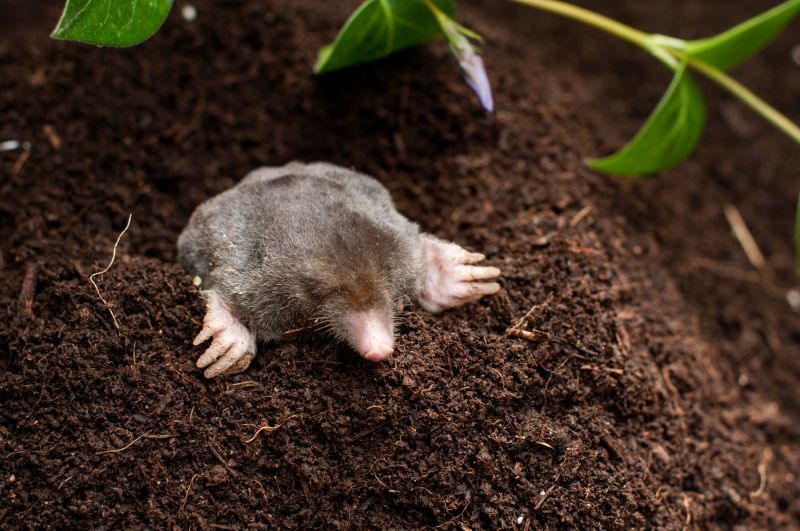
When comparing service providers for yard mole removal, it is important to consider their experience with similar projects, particularly those involving the damage moles can cause to lawns, roots, and irrigation systems. An established contractor with a history of handling mole-related issues is more likely to understand the behaviors and habitats of moles, as well as effective removal techniques. Asking about previous work or requesting references can help gauge their familiarity with the specific challenges posed by moles and ensure they have successfully addressed issues comparable to those in your yard.
Clear written expectations are essential when evaluating potential service providers. A reputable contractor should be able to outline the scope of work, methods used, and what the homeowner can expect during and after the removal process. This transparency helps prevent misunderstandings and ensures that both parties are aligned on the goals of the project. Having detailed, written information about the services offered also allows homeowners to compare different providers more effectively and choose someone who can meet their specific needs.
Effective communication is a key factor in selecting the right yard mole removal service. A dependable contractor will be responsive to questions, provide thorough explanations, and be transparent about their approach to dealing with moles and the damage they cause. Good communication helps build trust and ensures that homeowners are well-informed about the process, potential outcomes, and any follow-up steps. Prioritizing service providers who demonstrate professionalism and clarity can lead to a smoother experience and better results in protecting lawns, roots, and irrigation systems from mole damage.
Property owners often search for how moles destroy lawns, roots, and irrigation systems when they are planning practical projects around their homes and businesses. Local pros provide Yard Mole Removal services for everyday jobs and straightforward project options.
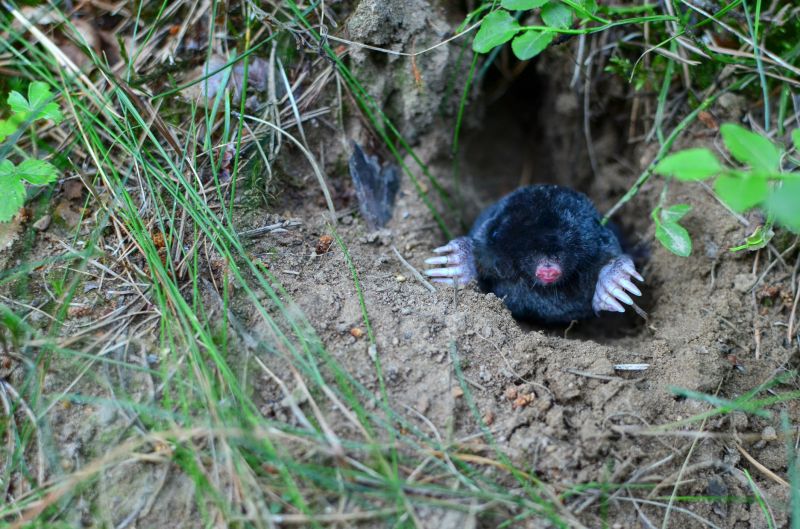
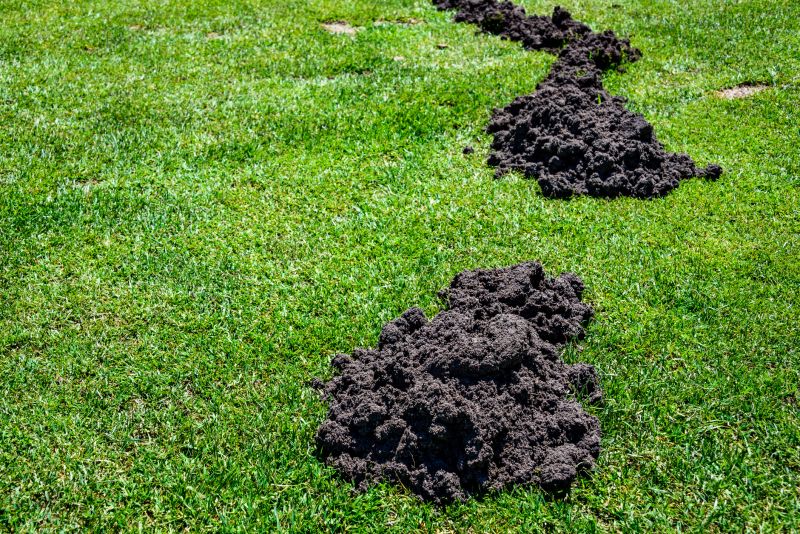
Understanding how moles destroy lawns, roots, and irrigation systems is essential for property owners dealing with unsightly tunnels and damaged underground infrastructure. Moles are known for burrowing through soil, creating extensive tunnel networks that can undermine the stability of lawns and disturb plant roots. Their activity often leads to uneven ground, unsightly mounds, and compromised irrigation lines, resulting in increased maintenance and repair needs. When these issues arise, local contractors who specialize in yard mole removal can assess the situation and implement effective solutions to restore the health and appearance of outdoor spaces.
Property owners in the area frequently search for ways to address mole activity before it causes lasting damage. Moles can quickly turn a well-maintained yard into a patchwork of mounded soil and dead patches, making it difficult to enjoy outdoor areas or keep irrigation systems functioning properly. Engaging experienced service providers can help eliminate moles and prevent further destruction, protecting lawns, roots, and underground plumbing from ongoing harm. Connecting with local contractors who understand the specific challenges posed by moles can be a practical step toward maintaining a healthy, attractive yard.
How do moles damage lawns and irrigation systems? Moles create tunnels beneath the surface, which can disturb the roots of grass and plants, leading to uneven turf. Their burrowing can also compromise underground irrigation lines, causing leaks or blockages that damage the system.
Can moles destroy plant roots? Yes, moles can indirectly harm plant roots by disturbing soil and creating mounds that expose roots to damage. Their tunneling activity can weaken the stability of plants and shrubs over time.
What signs indicate moles are damaging irrigation systems? Signs include unusual wet spots, soil mounding near sprinkler heads, or reduced water pressure. These issues often result from mole tunnels intersecting and damaging underground irrigation pipes.
How do local service providers remove moles and prevent lawn damage? Local contractors typically use trapping, baiting, or exclusion methods to control moles. They also offer advice on landscaping practices to reduce mole activity and protect irrigation systems.
Are there effective ways to protect lawns and irrigation systems from future mole damage? Yes, professionals can install barriers or use specific deterrents that discourage moles from tunneling near valuable areas, helping to safeguard lawns, roots, and irrigation infrastructure.
Identify mole activity early - property owners can monitor their lawns for signs of mole tunnels to prevent extensive damage to roots and irrigation systems, with help from local contractors.
Implement lawn barriers - installing physical barriers around gardens and sprinkler systems can stop moles from burrowing into critical areas, with guidance from local pros.
Address underlying issues - fixing drainage problems and reducing soil pests can make lawns less attractive to moles, supported by local service providers.
Schedule professional removal - consulting with local contractors for mole trapping and removal services can help protect lawns, roots, and irrigation infrastructure effectively.
If you are thinking about how moles destroy lawns, roots, and irrigation systems for a property, this guide is meant to help you understand this topic, the typical project types, and how different options might fit your plans.
When you are ready, you can use the quote form on this page to share a few details about your project. From there, local pros can review the basics and follow up with options that match what you have in mind.