Preventing Rodent Infestations in Homes
People searching for preventing rodent infestations in homes aim to stop pests from entering and causing damage, and local contractors can provide effective solutions to keep your home rodent-free.
Homeowners in the area who want to keep their living spaces safe and comfortable often find that preventing rodent infestations in homes is a top priority. These pests can cause damage to property, contaminate food supplies, and create health concerns. Exploring practical strategies and solutions can help property owners stay ahead of potential problems, especially during times of year when rodents are more active. Local contractors who specialize in rodent prevention offer valuable services that can identify vulnerabilities and implement effective measures to keep unwanted guests out.
Understanding how to prevent rodent infestations in homes is an important step for anyone looking to protect their property and peace of mind. Many local service providers are equipped to assess individual homes, recommend targeted solutions, and help establish ongoing prevention practices. Whether it’s sealing entry points, managing food storage, or setting up barriers, connecting with experienced professionals can make a significant difference in maintaining a rodent-free environment. Keep reading to learn more about practical prevention tips and how local experts can assist in safeguarding your home.
- Rodent proofing services - homeowners noticing signs of rodent activity may seek local contractors to seal entry points and remove existing pests.
- Preventing rodent infestations in homes - those concerned about future invasions can rely on service providers to identify vulnerabilities and implement effective barriers.
- Rodent exclusion work - residents experiencing repeated rodent issues often turn to local pros to install exclusion devices and block access pathways.
- Pest prevention consultations - individuals wanting to safeguard their homes may contact local contractors for comprehensive assessments and tailored prevention strategies.
- Rodent entry barrier installation - homeowners aiming to prevent rodent infestations in homes can work with service providers to reinforce walls, vents, and foundations against intrusion.

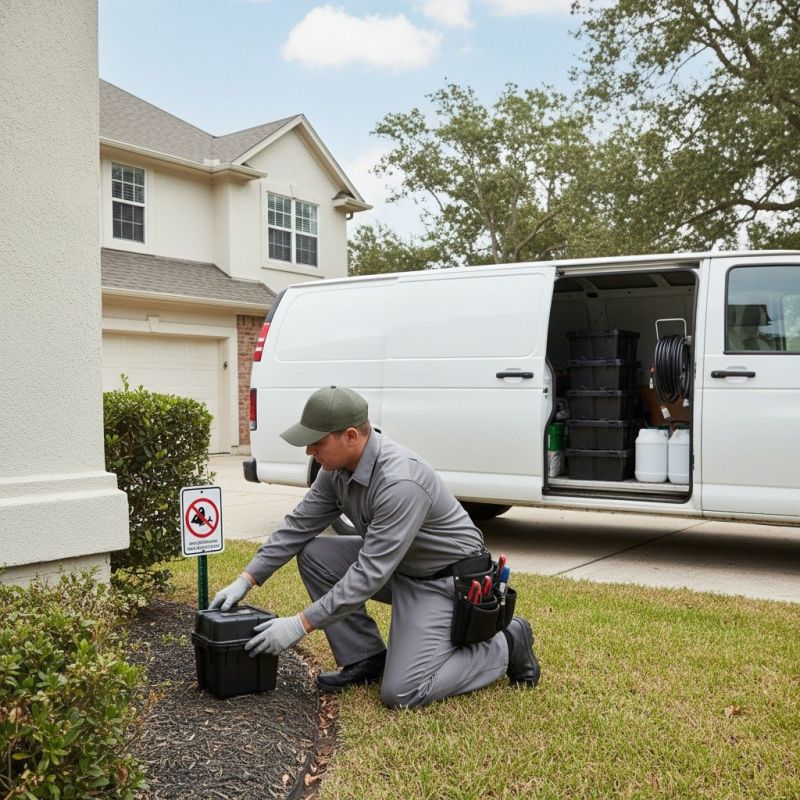

When people search for information about preventing rodent infestations in homes, they are often looking for practical ways to keep mice and rats out of their living spaces. This concern typically arises after noticing signs of rodents, such as droppings, gnaw marks, or strange noises. Homeowners want to understand how rodents gain entry, what vulnerabilities to address, and the most effective methods to deter these pests before an infestation takes hold. The focus is on proactive measures that can be incorporated into regular home maintenance to avoid the inconvenience, health risks, and property damage associated with rodent problems.
Preventing rodent infestations in homes is closely related to identifying and sealing entry points, managing food sources, and maintaining a tidy environment. Many property owners consider these steps as part of a broader plan to protect their homes from pests. Common issues include gaps around doors, windows, utility lines, and vents, as well as cluttered storage areas that provide hiding spots. These problems often lead homeowners to seek guidance from professionals who specialize in rodent prevention, as tackling these issues effectively requires specific knowledge and experience. Local contractors can assess a property’s vulnerabilities, recommend targeted solutions, and help implement long-term prevention strategies.
The types of properties that frequently come up in discussions about preventing rodent infestations include single-family homes, multi-unit residential buildings, and even commercial properties like warehouses or retail spaces. Homes with basements, crawl spaces, or attics tend to be more susceptible due to their access points and storage areas. Older properties may also have more gaps or structural weaknesses that rodents can exploit. Additionally, properties located near wooded areas, parks, or water sources often face higher risks, making prevention efforts especially important. Homeowners in these settings often work with local service providers to develop customized plans that address the unique challenges of their property types.
Connecting with local rodent infestation prevention professionals can make a significant difference in maintaining a pest-free home. These service providers typically conduct thorough inspections to identify entry points, recommend repairs, and implement preventative measures such as sealing gaps, installing barriers, or setting traps. Their expertise helps homeowners understand which vulnerabilities pose the greatest risk and how to address them effectively. Since prevention is an ongoing process, working with experienced local contractors ensures that homes remain protected over time. This proactive approach reduces the likelihood of future infestations, minimizes property damage, and creates a safer, cleaner living environment.
Home sealing projects - these involve identifying and sealing entry points, which is essential for preventing rodent infestations in homes and related to pest-proofing skills used by local contractors.
Gutter and drainage system installations - proper drainage helps prevent moisture buildup around foundations, reducing rodent attractants and requiring similar planning and tools as infestation prevention services.
Exterior landscaping and yard cleanup - maintaining a tidy yard and removing debris can limit rodent nesting sites, aligning with the skills used by local pros in property maintenance projects.
Foundation repair and crack sealing - repairing foundation cracks helps block rodent entry points, utilizing planning and repair techniques common to pest prevention services.
Vent and chimney cap installations - installing caps on vents and chimneys prevents rodent access, which shares tools and planning approaches with pest exclusion projects.
Structural reinforcement projects - strengthening walls and entry points to prevent rodent intrusion involves skills similar to those used in home sealing and pest-proofing efforts.

When comparing service providers for preventing rodent infestations in homes, it’s important to consider their experience with similar projects. Local contractors who have a history of handling rodent prevention in residential settings are more likely to understand common entry points and effective strategies tailored to different home types. Inquiring about their past work can provide insight into their familiarity with the specific challenges that come with preventing rodents, helping to ensure that the chosen provider has the practical knowledge needed to address your property’s unique needs.
Clear, written expectations are essential when selecting a service provider for rodent prevention. A reputable contractor should be willing to outline the scope of work, including the methods they plan to use, areas they will inspect, and any follow-up actions that might be necessary. Having these details documented can help prevent misunderstandings and ensure that both parties are aligned on what the project entails. This transparency can also serve as a useful reference throughout the process, providing clarity on what is included and what to expect from the service.
Good communication and reputable references are key indicators of a reliable service provider. Local pros who are responsive and willing to answer questions demonstrate professionalism and a commitment to customer satisfaction. Additionally, seeking references or reviews from previous clients can offer valuable insights into the contractor’s reliability, quality of work, and ability to effectively prevent rodent issues. Choosing a provider with a reputation for clear communication and positive feedback can help foster a smooth, informed experience when working to protect a home from rodent infestations.
Property owners often search for preventing rodent infestations in homes when they are planning practical projects around their homes and businesses. Local pros provide Rodent Infestation Prevention services for everyday jobs and straightforward project options.
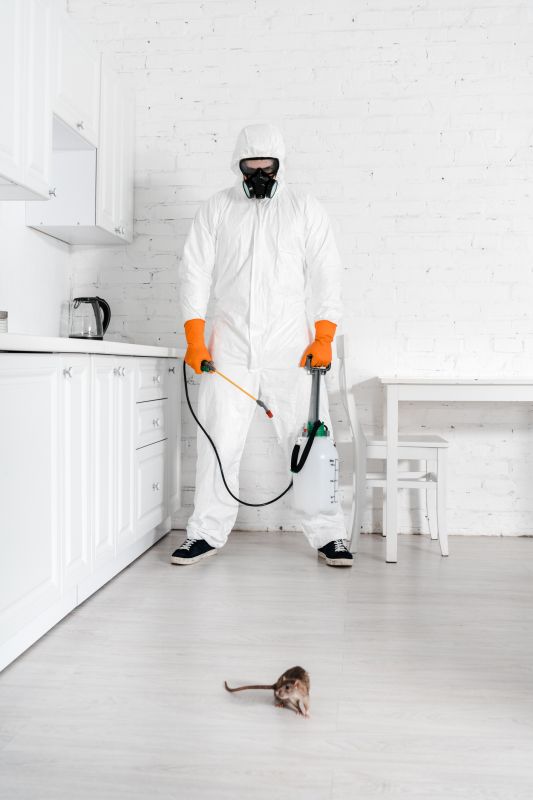
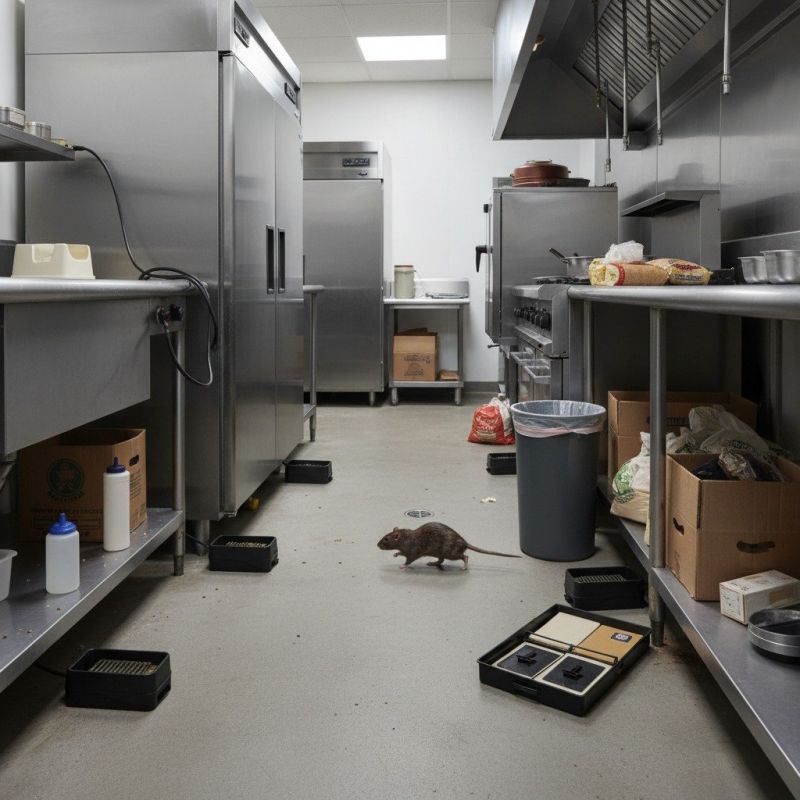
Homeowners in the area often seek advice on preventing rodent infestations in homes when they notice signs like droppings, gnaw marks, or strange odors. Simple steps such as sealing gaps around doors, windows, and utility entries can make a significant difference in keeping rodents out. Property owners may also look into professional services to identify potential entry points and implement effective exclusion methods, especially in cases where DIY efforts haven't resolved the issue.
Engaging with local contractors who specialize in rodent prevention can provide peace of mind for those wanting to protect their homes. These service providers can assess the property’s vulnerabilities, recommend targeted solutions, and help establish ongoing prevention strategies. For many, consulting experienced professionals is a practical way to ensure that their homes remain rodent-free and that common entry points are properly addressed.
What are the most common entry points rodents use to access homes? Local contractors can identify and seal gaps around doors, windows, vents, and utility lines to prevent rodents from entering the home.
How can I reduce attractants that draw rodents to my home? Service providers often recommend removing food sources like garbage, pet food, and birdseed, as well as trimming vegetation away from the house to make it less inviting for rodents.
What preventative measures do local pros suggest for rodent-proofing a home? Professionals typically install barriers, reinforce existing structures, and set up traps or bait stations as part of a comprehensive prevention plan.
Are there specific areas around the home that should be prioritized for rodent prevention? Yes, areas such as the foundation, crawl spaces, attics, and garage are common access points and should be thoroughly inspected and secured by local service providers.
How often should preventative inspections be performed to maintain rodent-free homes? Regular inspections, usually annually or biannually, are recommended to ensure that preventive measures remain effective and to address any new vulnerabilities.
Seal entry points - identifying and sealing gaps around doors, windows, and utility lines can prevent rodents from gaining access to the home, and local contractors can assist with professional sealing solutions.
Maintain yard cleanliness - removing debris, clutter, and food sources from the yard reduces attractants for rodents and can be managed with the help of local pest prevention specialists.
Proper waste management - storing trash in secure containers and regular disposal helps eliminate food sources, with local pros offering advice on container placement and pest-proofing strategies.
Install barriers and traps - setting up physical barriers or traps around the property can deter rodents, and experienced service providers can implement effective prevention systems.
If you are thinking about preventing rodent infestations in homes for a property, this guide is meant to help you understand this topic, the typical project types, and how different options might fit your plans.
When you are ready, you can use the quote form on this page to share a few details about your project. From there, local pros can review the basics and follow up with options that match what you have in mind.